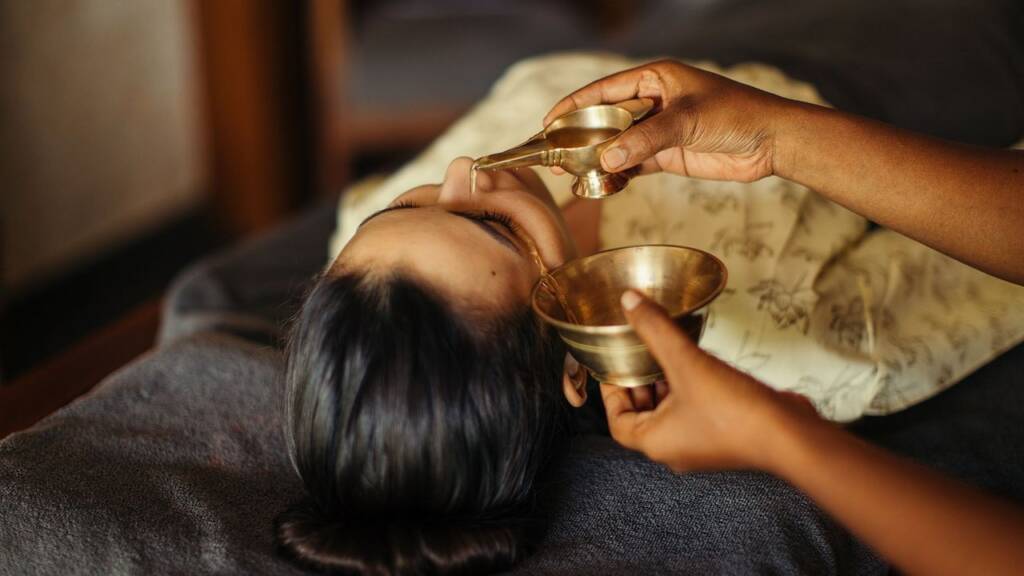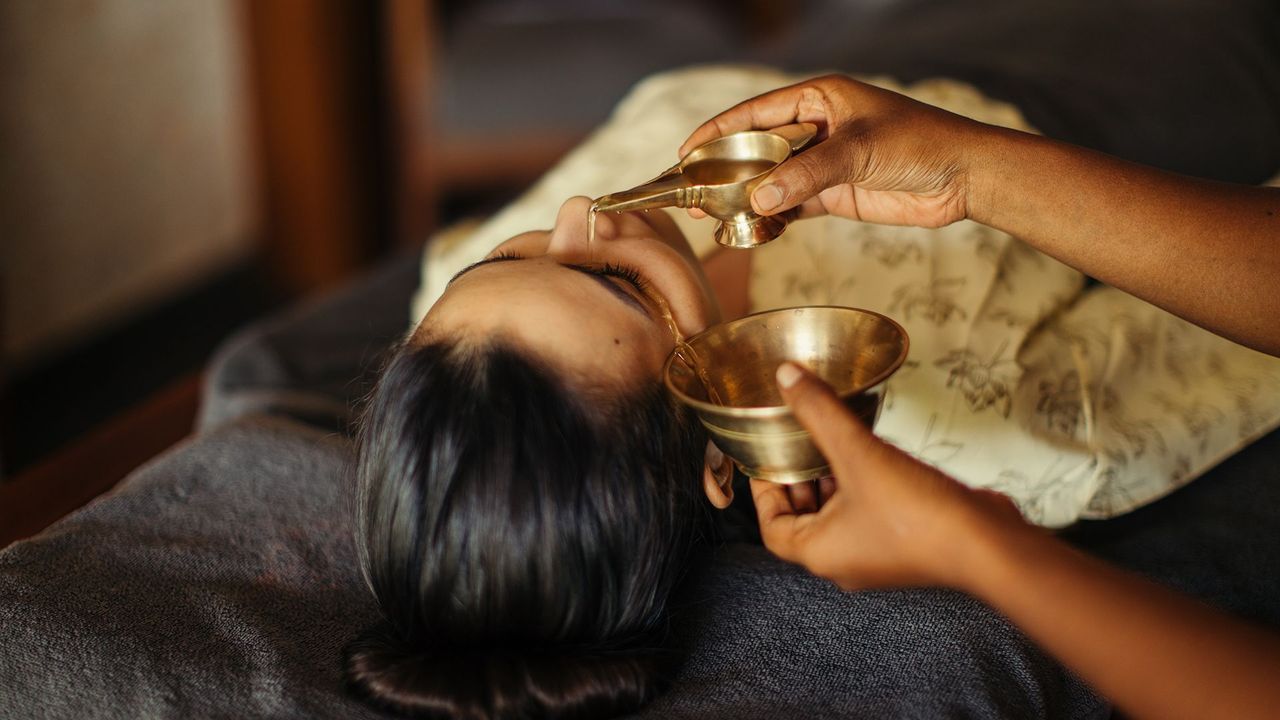
Ayurveda is one of the world’s oldest holistic healing systems, originating in India more than 5,000 years ago. The word Ayurveda is derived from the Sanskrit terms Ayur (life) and Veda (knowledge), meaning “the science of life.” Unlike modern medicine, which often focuses on treating symptoms, Ayurveda emphasizes preventive care, balance, and root-cause healing, making it a complete system for physical, mental, and spiritual well-being.
The Core Philosophy of Ayurveda
Ayurveda believes that health is achieved when there is harmony between the body, mind, senses, and soul. According to Ayurvedic principles, every individual is born with a unique constitution (Prakriti), determined by the balance of three fundamental energies or Doshas:
- Vata – Governs movement, nervous system, and circulation
- Pitta – Governs metabolism, digestion, and transformation
- Kapha – Governs structure, immunity, and stability
Disease arises when these doshas become imbalanced due to improper diet, lifestyle, stress, environmental factors, or emotional disturbances. Ayurveda treatment aims to restore this balance, thereby enabling the body’s natural healing intelligence to function optimally.
Ayurveda Treatment Approach
Ayurvedic treatment is personalized, not standardized. It begins with a detailed assessment of the individual’s constitution, lifestyle, digestion, mental state, and disease condition. Based on this evaluation, a customized treatment plan is designed, which may include:
- Dietary regulation (Ahara)
- Lifestyle correction (Vihara)
- Herbal medicines
- Detoxification therapies
- Rejuvenation and preventive care
This individualized approach ensures long-lasting and sustainable healing rather than temporary relief.
Panchakarma – The Detoxification Therapy
One of the most powerful aspects of Ayurveda treatment is Panchakarma, a classical detoxification and rejuvenation therapy. Panchakarma helps eliminate accumulated toxins (Ama) from the body and restore doshic balance. It includes five primary procedures:
- Vamana (therapeutic emesis)
- Virechana (purgation therapy)
- Basti (medicated enemas)
- Nasya (nasal therapy)
- Raktamokshana (blood purification)
When administered under expert supervision, Panchakarma improves digestion, strengthens immunity, enhances mental clarity, and prevents chronic diseases.
Role of Marma Chikitsa in Ayurveda
An integral yet lesser-known aspect of Ayurveda is Marma Chikitsa, an ancient therapeutic technique that involves stimulation of vital energy points (Marma) in the body. These points are junctions of muscles, nerves, bones, joints, and vital energy (Prana).
Marma Chikitsa is highly effective in managing neurological disorders, musculoskeletal pain, stress-related conditions, and lifestyle diseases. When practiced correctly, it helps restore the free flow of energy, accelerate healing, and improve overall vitality.
Ayurveda for Chronic and Lifestyle Diseases
Ayurveda treatment has shown remarkable results in managing chronic and lifestyle disorders such as:
- Arthritis and joint disorders
- Back pain, sciatica, and cervical spondylosis
- Digestive disorders
- Diabetes and metabolic disorders
- Stress, anxiety, and sleep disorders
- Skin diseases
By addressing the underlying imbalance and improving digestion and metabolism, Ayurveda offers long-term relief without harmful side effects.
Preventive Healthcare in Ayurveda
Ayurveda places strong emphasis on prevention rather than cure. Daily routines (Dinacharya), seasonal regimens (Ritucharya), yoga, pranayama, and meditation are integral components of Ayurvedic living. Following these practices helps maintain health, slow down aging, and enhance quality of life.
Ayurveda in the Modern World
In today’s fast-paced lifestyle, Ayurveda is more relevant than ever. Its holistic approach provides solutions for stress, lifestyle disorders, and immunity enhancement. When combined with modern diagnostic tools, Ayurveda becomes a powerful integrated healthcare system, offering safe, natural, and effective healing.
Conclusion
Ayurveda treatment is not merely a system of medicine; it is a way of life. By restoring balance at the physical, mental, and spiritual levels, Ayurveda empowers individuals to take charge of their health naturally. Rooted in ancient wisdom yet adaptable to modern needs, Ayurveda continues to guide humanity toward holistic well-being, harmony, and longevity.
Ayurveda heals not only the disease but the person as a whole—bringing true health, inner balance, and lasting wellness.